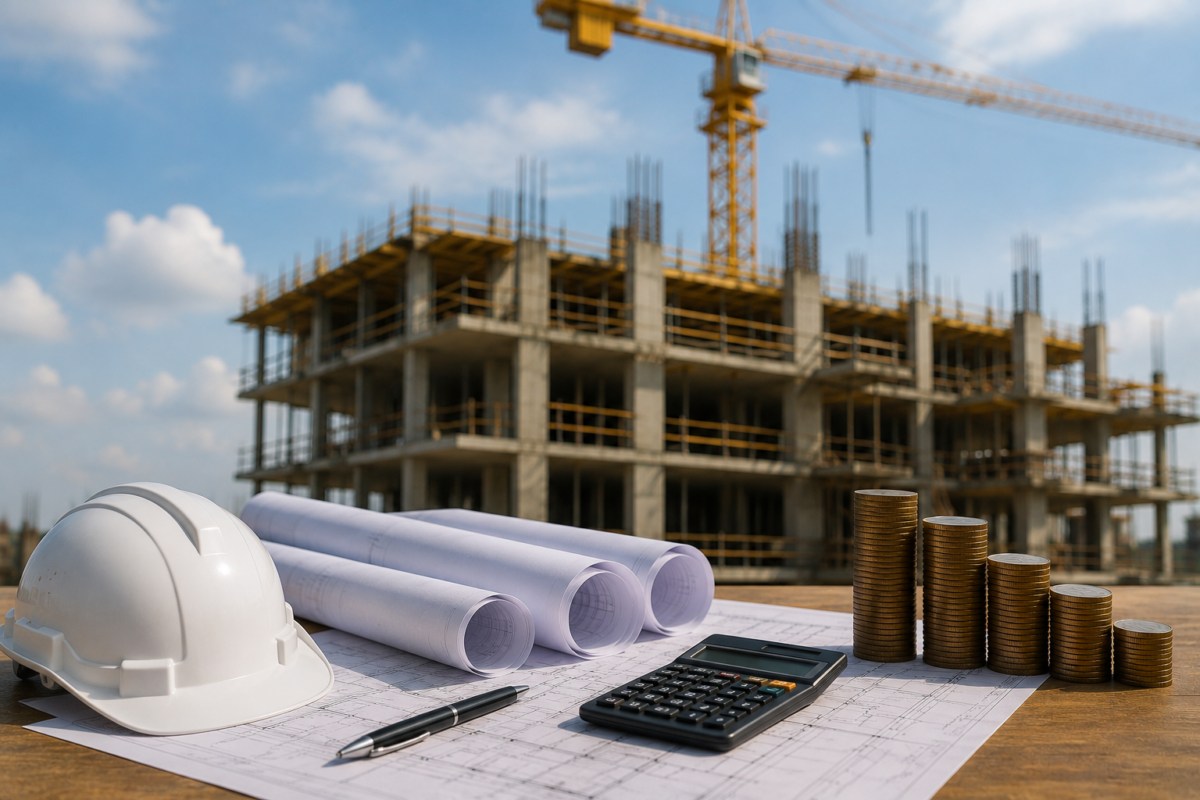
7 Smart Ways to Reduce Construction Project Costs
Construction projects often face budget challenges due to material price fluctuations, labor shortages, design changes, and project delays. However, with proper planning and strategic management, construction companies can significantly reduce costs without compromising quality. Here are seven smart ways to keep construction expenses under control.
1. Plan Thoroughly Before Construction Begins
A well-prepared project plan is the foundation of cost control. Detailed budgeting, scheduling, and resource allocation help identify potential risks before they become expensive problems. Early planning also minimizes costly design changes during construction.
Benefits:
- Fewer delays
- Better resource allocation
- Reduced unexpected expenses
2. Use Accurate Cost Estimation
Underestimating project costs can quickly lead to budget overruns. Modern estimation software and historical project data can improve accuracy and help contractors make informed financial decisions.
Benefits:
- Better budget forecasting
- Improved profitability
- Reduced financial risk
3. Optimize Material Procurement
Material costs represent a large portion of construction budgets. Purchasing materials in bulk, negotiating with suppliers, and ordering materials at the right time can significantly reduce expenses.
Benefits:
- Lower material costs
- Reduced waste
- Better inventory management
4. Improve Workforce Productivity
Efficient labor management directly impacts project costs. Providing proper training, clear communication, and effective supervision helps workers complete tasks more efficiently and safely.
Benefits:
- Faster project completion
- Lower labor costs
- Improved quality of work
5. Leverage Construction Technology
Modern construction technologies such as project management software, drones, Building Information Modeling (BIM), and digital reporting tools improve efficiency and reduce costly mistakes.
Benefits:
- Better project visibility
- Fewer errors and rework
- Increased productivity
6. Minimize Rework and Design Changes
Rework is one of the most expensive issues in construction projects. Ensuring accurate designs, conducting regular inspections, and maintaining clear communication between stakeholders can prevent costly corrections.
Benefits:
- Reduced waste
- Improved project quality
- Lower overall costs
7. Monitor Progress and Control Costs Regularly
Continuous monitoring allows project managers to identify budget issues early and take corrective action before costs escalate. Regular progress reviews help keep projects on schedule and within budget.
Benefits:
- Better financial control
- Early problem detection
- Improved project performance
Conclusion
Reducing construction project costs requires a combination of careful planning, efficient resource management, modern technology, and continuous monitoring. By implementing these smart strategies, construction companies can improve profitability, minimize waste, and deliver high-quality projects while staying within budget.
Effective cost management not only benefits contractors but also increases client satisfaction and strengthens long-term business success.