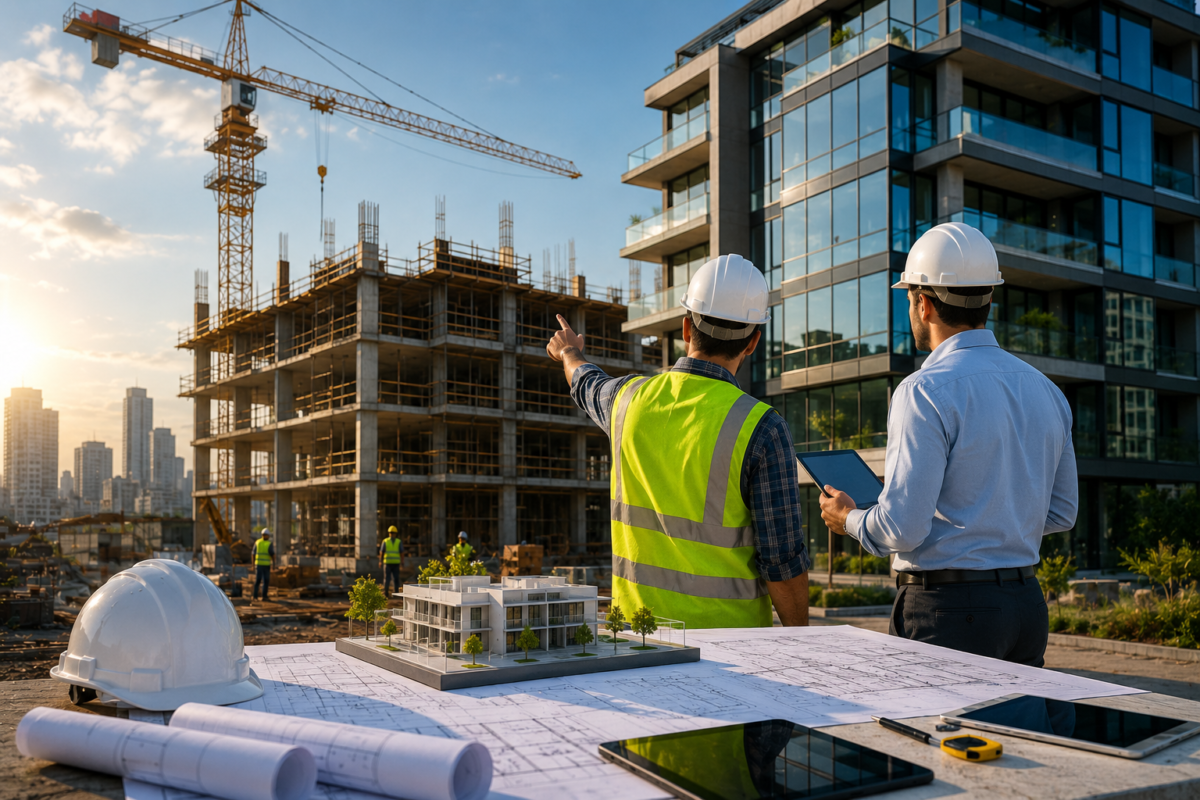
Top Construction Trends Shaping Modern Buildings
Top Construction Trends Shaping Modern Buildings
The construction industry continues to evolve as new technologies, sustainable practices, and innovative building methods transform how modern structures are designed and built. From energy-efficient materials to smart building systems, today’s construction trends are helping create safer, more sustainable, and cost-effective buildings. Understanding these developments can help property owners, developers, and contractors stay ahead in a competitive market.
Sustainable Construction Materials
Sustainability remains one of the most influential trends in modern construction. Builders are increasingly using eco-friendly materials such as recycled steel, engineered wood, low-carbon concrete, and energy-efficient insulation. These materials reduce environmental impact while improving long-term building performance and durability.
Smart Building Technology
Modern buildings are becoming more intelligent through the integration of smart technology. Automated lighting systems, climate control, security monitoring, and energy management solutions help improve efficiency, reduce operating costs, and enhance occupant comfort. Smart buildings also provide valuable data for ongoing maintenance and performance optimization.
Building Information Modeling (BIM)
Building Information Modeling has transformed project planning and collaboration. BIM enables architects, engineers, and contractors to create detailed digital models that improve design accuracy, reduce construction errors, and streamline project coordination. This technology helps teams identify potential issues before construction begins.
Modular and Prefabricated Construction
Prefabrication and modular construction methods are gaining popularity due to their efficiency and cost-saving benefits. Components are manufactured in controlled environments and assembled on-site, reducing construction time, minimizing waste, and improving quality control throughout the project.
Energy-Efficient Design
Energy efficiency has become a primary consideration in modern building design. Features such as high-performance windows, advanced insulation systems, solar panels, and energy-efficient HVAC solutions help reduce energy consumption while lowering operating expenses for building owners.
Advanced Construction Equipment
The use of advanced machinery and equipment continues to improve productivity and safety on construction sites. Drones, automated surveying tools, laser scanning technology, and heavy equipment with GPS guidance systems help increase accuracy while reducing project delays.
Focus on Health and Wellness
Modern buildings are increasingly designed with occupant well-being in mind. Improved ventilation systems, natural lighting, green spaces, and healthy indoor environments contribute to enhanced comfort, productivity, and overall quality of life for occupants.
Enhanced Safety Technologies
Construction companies are investing in innovative safety solutions to protect workers and improve site management. Wearable technology, real-time monitoring systems, digital inspections, and AI-powered safety tools help reduce workplace risks and ensure regulatory compliance.
Resilient and Future-Ready Structures
As environmental challenges continue to evolve, builders are focusing on resilient construction techniques. Modern structures are designed to withstand extreme weather conditions, improve durability, and adapt to future technological advancements and changing user needs.
Conclusion
The construction industry is entering a new era driven by innovation, sustainability, and digital transformation. By embracing these emerging trends, construction companies can deliver higher-quality projects, improve efficiency, reduce environmental impact, and create modern buildings that meet the demands of future generations.